We help nature form stunning, well structured and sound trees. Firstly, we have excellent pruning practices that approach trees and their environment as a whole. Secondly, inspecting our blades are clean and sharp before making cuts ensures we avoid unnecessary damage to the cambium. As a result, clean, smooth cuts will heal more rapidly. In affect, improving the appearance and will reduce the chances of transmitting diseases. Thirdly, we are highly experience in all aspects of tree pruning and care.
Understanding the difference of pruning methods
Techniques vary due to the growth patterns of tree species. Location, soil conditions, the history of maintenance and damage caused by storms also create different needs as well. The combination of two or more are often required in urban environments. Check out the photos below to get a visual understanding of some of these ways we care for trees.
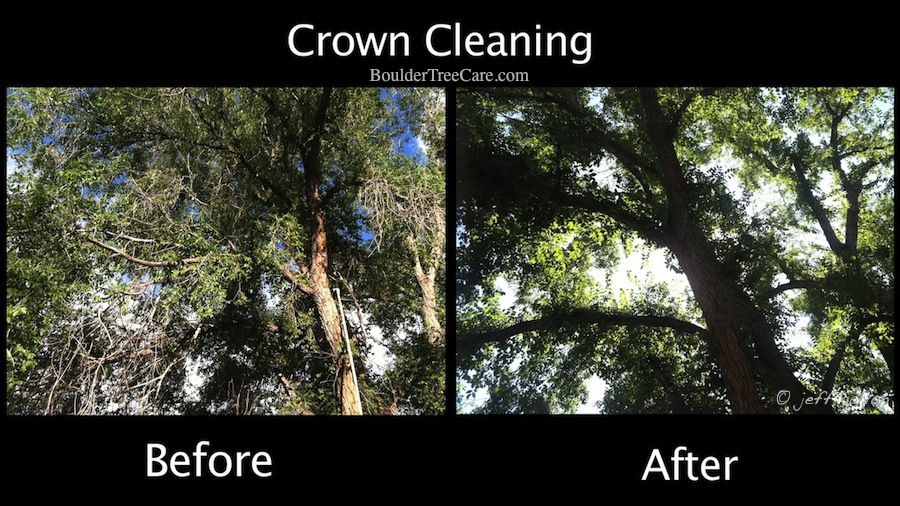
Cleaning the Crown
This is the most common type of tree pruning we provide. It includes the removal of damaged, diseased, dead, weak wood, and, branches that are not growing in a beneficial place.
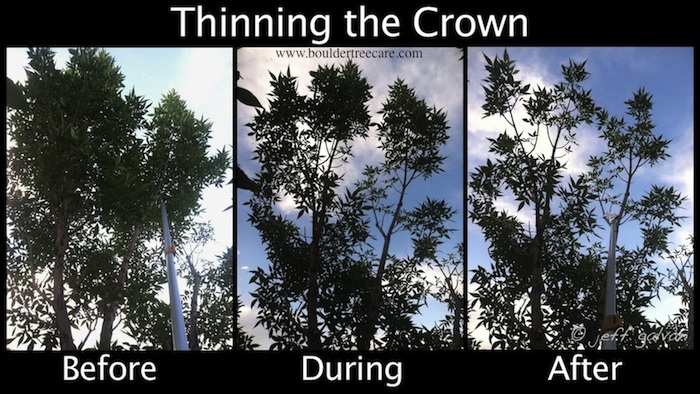
Thinning the Crown
A technique we use to reduce the overall number of branches in trees that have too many. Thinning allows the wind to flow through trees better, too. This helps to reduce the possibilities of damage caused by storms. Allowing sunlight to penetrate the canopy is another advantage.
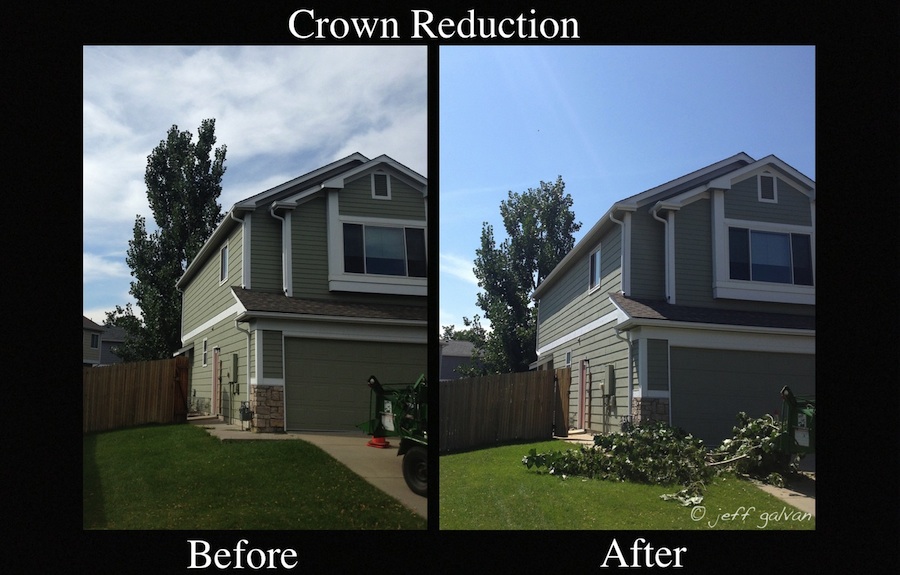
Crown Reduction
Method used when we want to properly reduce the overall size of the tree. This is not the same as topping a tree. Neither is it the same as making a bunch of heading cuts. See: Topping and Heading Cut definitions below.

Directional Pruning
We prune in a beneficial directional to manage which way twigs, branches and trees grow. This will train a tree’s form to help fit in a location that may be restricted by a limited space.
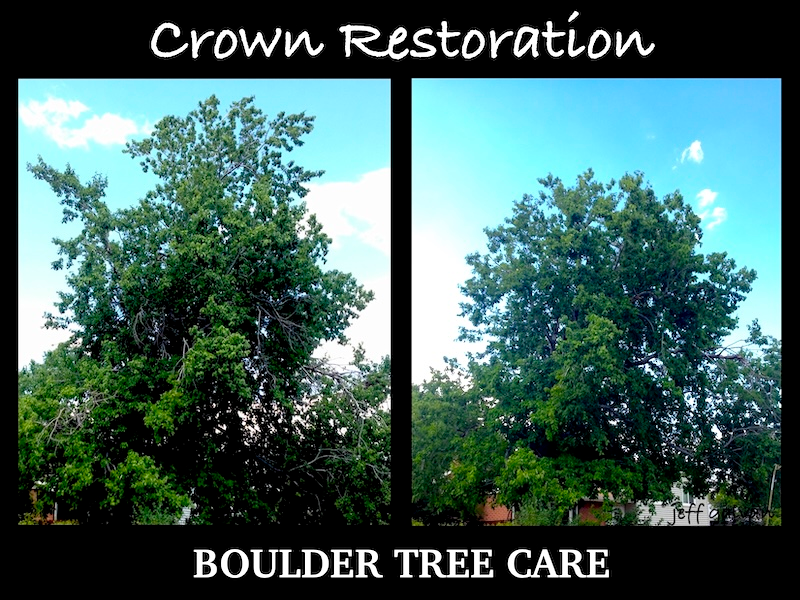
Crown Restoration
Implemented when a tree has grown structurally unsound, experienced damage caused by storms or previous topping.

Structural pruning
Often used when a tree is young. It helps create a strong foundation which the tree will grow. Sometimes it’s used when a tree is older and has developed weakness in it’s form. This may require the implementation of several different pruning techniques to help strengthen the core integrity of a tree.

Raising the Canopy
Improves visibility, fire mitigation, forestry and landscapes. It is also used for clearance over streets and sidewalks to comply with the City of Boulder’s or your communities local HOA guidelines .

Clearing the Underbrush
When the growth at the base of trees is problematic or has an unpleasant appearance, clearing the understory is a procedure we use. This is often a part of a fire mitigation plan of action as well.
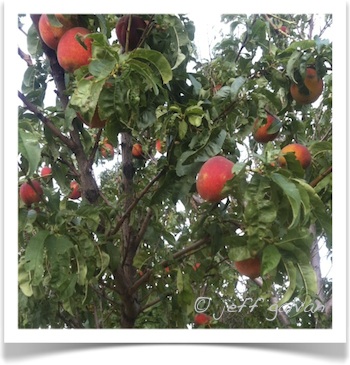
Pruning Fruit Trees
This is a specialty that requires training and practice to perform correctly. Properly done, it helps reduce the chances of transmitting diseases. Unless there is a specific problem to address, we recommended pruning fruit trees during in the winter months. That is to say, when trees are dormant as they are at less risk of infections.
Pollarding and Espalier pruning techniques are used to create very specialized affects. Typically applied to fruit trees or to manage the growth of some larger trees.

Pruning older trees
Fully mature trees are slower to heal. It’s for this reason, we typically limit the pruning to a crown cleaning. Which is the removal of dead, damaged, diseased wood. Also, branches that cross, rub one another or otherwise do not seem to be growing in a favorable direction. Generally speaking, we avoid making large cuts into living plant tissue on older trees. However, if it is completely unruly, storm damaged or there is a specific problem, we may need to include additional trimming styles.
Training Young Trees establishes a strong foundation and helps minimize the risk of tree failure caused by poor branch locations and weak branch unions.
Vista Pruning – Pruning for a better view, from your house or deck, is best accomplished if done in balance and alignment, keeping the overall health of the tree in mind.
Tree trimming cuts to avoid unless there is no better solution
Heading Cut is a cut made mid-branch (sometimes without a small secondary branch nearby) often these cuts are used after severe storm damage. Although, sometimes they are used on shrubs and young trees in nurseries.
Topping is not a recommended pruning technique. And should be avoided unless there is no better alternative. Proper pruning techniques such as a crown reduction is practiced. We choose to use topping cuts only in rare instances. It may be beneficial after a severe storm has caused damage to crown. As a general rule, topping will create a weaker tree. This will often requiring a crown restoration. However, it increases the need for future maintenance and the expense of additional pruning.
If a tree is dead, beyond rehabilitation, or is considered no longer safe, we provided safe tree removal and stump grinding services.
Descriptions and images of tree pruning techniques provided by © 2026 Boulder Tree Care in Boulder, Colorado USA.